
Shipping Container Conditions & Types Explained
Choosing the right shipping container starts with understanding both its condition and its design. Lucky Container Service offers a wide range of container options for storage, transport, commercial use, conversion projects and specialized applications.
Important:
Container condition describes the physical state of the
unit, while container type describes its structural design
or intended use. Availability may vary by size, location and inventory.
Container Conditions
These terms describe the general physical condition and previous use of the container.
1
One Trip Containers
One Trip containers are commonly referred to as “like new” containers. They are typically manufactured overseas and used for one cargo journey before being made available for sale.
- Very limited previous use.
- Usually clean and structurally sound.
- May have minor handling marks or small cosmetic imperfections.
- Generally offer a newer appearance than standard used containers.
Best for: Customers seeking a newer-looking container,
premium storage, conversions or long-term ownership.
2
Water Tight Containers
Water Tight containers are generally used containers that are intended to prevent normal rainwater from entering the interior when the doors are properly closed and the container is maintained in suitable condition.
- Usually show visible signs of previous use.
- May include dents, scratches, faded paint or surface rust.
- Suitable for many general storage applications.
- Cosmetic appearance may vary significantly from unit to unit.
Best for: General storage where function is more
important than appearance.
3
New Containers
New containers refer to units offered in unused or essentially unused condition. Actual terminology can vary by supplier, so customers should review the specific product description before purchasing.
- Minimal or no operational wear.
- Generally clean interior and exterior surfaces.
- Suitable for projects where appearance matters.
- Usually priced higher than used units.
Best for: High-end projects, conversions, offices,
retail applications and customers wanting excellent overall condition.
4
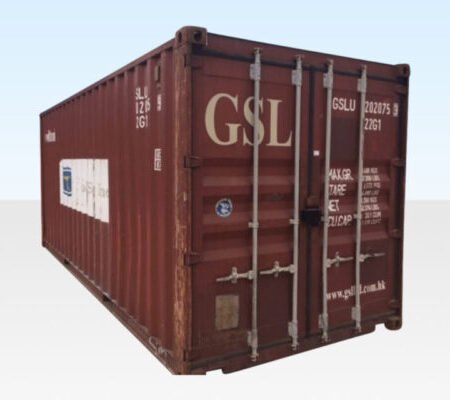
Used Containers
Used shipping containers have previously been used in freight or storage service and may show normal signs of use.
- Condition can vary from lightly used to heavily worn.
- May show dents, scratches, markings, faded paint or surface rust.
- Often offer strong value compared with newer containers.
- Specific structural condition should be confirmed from the listing.
Best for: Storage, workshops, farms, construction sites
and budget-conscious buyers.
5
As-Is Containers
As-Is containers are sold in their existing condition and may require repair, maintenance or modification before use.
- May have cosmetic or functional defects.
- Could include rust, damaged doors, floor wear or structural issues.
- Condition should be reviewed carefully before purchase.
- Usually offered at a lower price than better-condition units.
Best for: Buyers who understand container repairs or
want a lower-cost unit for renovation or modification.
6
Cargo Worthy Containers
Cargo Worthy containers are used containers that have been assessed as structurally suitable for cargo transport at the time of inspection.
- Structurally stronger than many basic storage-grade units.
- May still have cosmetic wear from previous service.
- Can be suitable for freight use where current certification applies.
- Customers should verify current inspection and certification requirements before international shipping.
Best for: Customers who may need a structurally sound
container for transport or higher-grade storage use.
7
Wind & Water Tight Containers
Wind and Water Tight containers are generally used containers intended to provide protection from normal wind and rain when properly closed.
- Usually suitable for general storage.
- May have substantial cosmetic wear.
- Doors and seals should remain functional.
- Not automatically certified for active cargo shipping.
Best for: Equipment, tools, inventory and general
outdoor storage.
8
Refurbished Containers
Refurbished containers are used units that have undergone repairs or cosmetic improvements to improve their appearance or functionality.
- May include repaired rust or damaged components.
- May be repainted or cleaned.
- Door seals, flooring or other components may be repaired or replaced.
- The level of refurbishment can vary by individual unit.
Best for: Customers wanting improved appearance and
condition without purchasing a newer container.
Specialized Container Types
These categories describe how the container is designed rather than its condition.
9
High Cube Containers
High Cube containers provide additional vertical clearance compared with standard-height shipping containers.
- Typically approximately one foot taller than standard containers.
- Provides increased internal volume.
- Useful for taller cargo and conversion projects.
- Commonly available in larger container lengths.
Best for: Storage requiring extra height, workshops,
offices and container conversions.
10
Open-Top Containers
Open-Top containers are designed to allow loading from above. Instead of a permanent steel roof, they typically use a removable covering system.
- Allows top-loading of large or awkward cargo.
- Useful for items that cannot easily pass through standard doors.
- Often used with cranes or lifting equipment.
- Available condition varies by individual unit.
Best for: Machinery, industrial equipment, oversized
materials and top-loaded cargo.
11
Flat Rack Containers
Flat Rack containers have an open-sided design and are intended for large, heavy or unusually shaped cargo that cannot fit inside a standard enclosed container.
- Typically include a strong floor platform.
- Some designs feature collapsible end walls.
- Suitable for oversized or heavy equipment.
- Proper load securing is essential during transport.
Best for: Heavy machinery, vehicles, industrial
equipment and oversized cargo.
12
Refrigerated / Reefer Containers
Refrigerated containers, commonly called Reefer containers, are designed with insulated walls and temperature-control equipment.
- Designed for temperature-sensitive goods.
- Can be used for chilled or frozen storage depending on the unit.
- Requires a compatible electrical power supply.
- Operating condition and temperature range should be confirmed before purchase.
Best for: Food products, pharmaceuticals,
temperature-sensitive materials and cold-storage applications.
Not Sure Which Container Is Right for You?
The best option depends on your intended use, preferred appearance, required size, budget and whether the container will be used for storage, transport or modification. Lucky Container Service can help you compare available options before you purchase.